Based on reporting byus.cnn.comBBCFrance 24

Lula Wins Fourth Term in Brazil as Flávio Bolsonaro Rejects the Result: what six AIs agree on, and what they added or left out

11 min readWorld
Share

Models Superior Electoral Court · Supreme Court · Meta · Liberal Party (PL) · Workers' Party · DatafolhaTopics Lula fourth term · Brazil presidential runoff 2026 · Flávio Bolsonaro · Election result disputes · Social media and election interference

Satcove NewsWorld6 AI models, 3 reportsAutomated analysis, not reviewed by a person
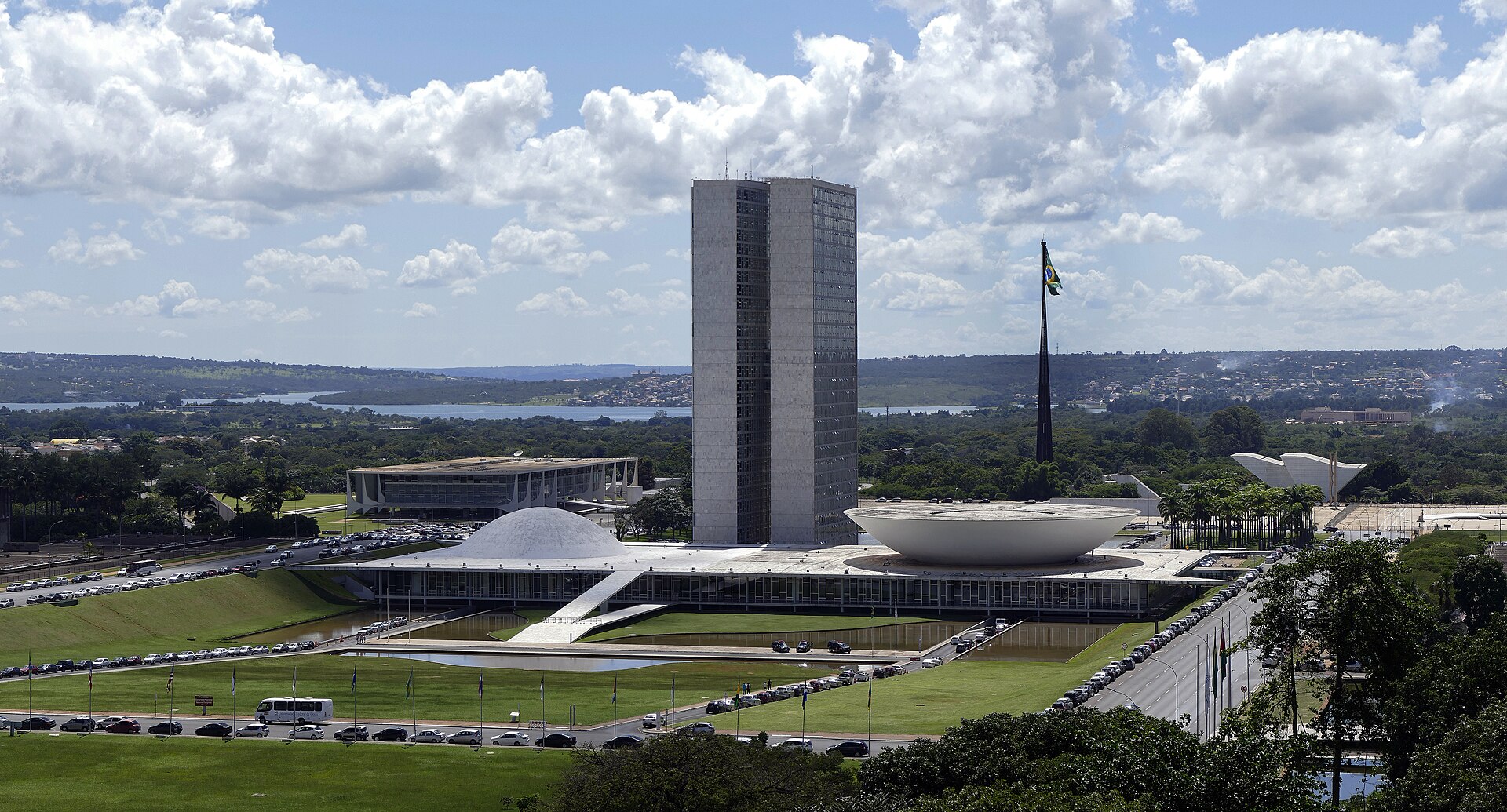
The National Congress building in Brasília (illustrative, 2016 file photo)
Illustrative photo: The National Congress building in Brasília (illustrative, 2016 file photo), not from the reported event. Agência Senado, CC BY 2.0, via Wikimedia Commons.

Quick answer

  • Reported: BBC says Lula won Brazil's runoff with 51.79% of votes to Flávio Bolsonaro's 48.21%, and Bolsonaro refused to recognize the result.
  • Alleged: according to France 24, Lula's campaign accused Meta of "interference" favoring Flávio Bolsonaro; this is an allegation, not a proven finding.
  • Stated by Meta: it denied doing anything to favor one side but acknowledged some of Lula's campaign ads were mistakenly deactivated due to technical errors, per France 24.
  • Panel result: no direct contradiction, but 2 critical and 5 neutral omissions across 12 points.
  • Reliability signal: Mistral added 1 claim the cited reports do not support.

1 / 12

Points all models share

11 / 12

Points where they differ

0

Direct contradictions

6 of 6

Models that ran

Who said what

Same reports, independent analyses. Highlighted rows are the points where the models that ran differ.

PointClaudeGPTGeminiMistralPerplexityGrok
Reports say Lula won the runoff with 51.79% of the vote to Flávio Bolsonaro's 48.21%.Different emphasisIncludes the pointMentions it only in general termsIncludes the pointIncludes the pointIncludes the pointIncludes the point
Reports say Lula won by about 4.4 million votes; Bolsonaro led round one by 2.2 million.Neutral omissionIncludes the pointLeaves it outIncludes the pointMentions it only in general termsMentions it only in general termsLeaves it out
Reports say Flávio Bolsonaro refuses to accept the result and will seek annulment.Includes the pointIncludes the pointIncludes the pointIncludes the pointIncludes the pointIncludes the point
Reports say Bolsonaro cites the two-hour extension as grounds for challenging the result.Critical omissionIncludes the pointLeaves it outLeaves it outIncludes the pointLeaves it outLeaves it out
Reports say voting was extended by two hours after a Supreme Court order.Different emphasisIncludes the pointMentions it only in general termsIncludes the pointIncludes the pointIncludes the pointIncludes the point
Reports say both campaigns requested the extension, citing transport and weather problems.Different emphasisIncludes the pointIncludes the pointIncludes the pointMentions it only in general termsIncludes the pointMentions it only in general terms
Reports say Lula's fourth term begins on 5 January 2027.Different emphasisMentions it only in general termsMentions it only in general termsIncludes the pointMentions it only in general termsIncludes the pointIncludes the point
Reports say Lula faces a hostile Congress, described as the most right-wing of the democratic era.Neutral omissionIncludes the pointIncludes the pointLeaves it outIncludes the pointIncludes the pointIncludes the point
Reports say Lula's win bucks a broader right-wing shift across Latin America.Neutral omissionIncludes the pointLeaves it outLeaves it outLeaves it outIncludes the pointIncludes the point
Reports say environmentalists feared Bolsonaro's policies would raise Amazon deforestation.Neutral omissionLeaves it outLeaves it outLeaves it outIncludes the pointLeaves it outIncludes the point
Reports say the result may shift Brazil's ties between China and the US; Trump did not endorse.Neutral omissionMentions it only in general termsIncludes the pointLeaves it outIncludes the pointLeaves it outMentions it only in general terms
Reports say Jair Bolsonaro is serving a 27-year sentence for attempting a coup.Critical omissionLeaves it outLeaves it outIncludes the pointLeaves it outLeaves it outLeaves it out

What each mark means

  • ✓Includes the point
  • ~Mentions it only in general terms
  • 0Leaves it out
  • –Model did not run on this story

How a difference is classified

  • ContradictionTwo models assert incompatible things.
  • Critical omissionA model leaves out a point that changes how a reader understands the story.
  • Neutral omissionA model leaves out a minor detail.
  • Different emphasisAll models cover it, but with different weight.
  • Unverified additionA claim the cited reports do not support.

The panel, model by model

ClaudeClaude

Stayed in the reports
Thesis
Lula won Brazil's presidential runoff with 51.79% of votes for a historic fourth term, but Bolsonaro refused to concede and promised legal challenges, leaving the country deeply polarized.
Only this model
Nothing that no other model also said.
Left out
Reports say environmentalists feared Bolsonaro's policies would raise Amazon deforestation.; Reports say Jair Bolsonaro is serving a 27-year sentence for attempting a coup.
In its words
“Brazil's geopolitical alignment, with Lula keeping the country independent and China-friendly versus potential rightward shift toward US alignment.”

GPTGPT

Stayed in the reports
Thesis
Luiz Inácio Lula da Silva was reelected as Brazil's president amidst claims of election irregularities by his opponent.
Only this model
Nothing that no other model also said.
Left out
Reports say Lula won by about 4.4 million votes; Bolsonaro led round one by 2.2 million.; Reports say Bolsonaro cites the two-hour extension as grounds for challenging the result.
In its words
“Lula's victory signifies a continued leftist leadership in Brazil against a backdrop of regional rightward shifts, with implications for environmental policies and international relations, especially related to the US and China.”

GeminiGemini

Stayed in the reports
Thesis
Luiz Inácio Lula da Silva secured a historic fourth presidential term in Brazil's runoff, but defeated rival Flávio Bolsonaro refused to concede, vowing legal challenges amid rising domestic polarization and strained US ties.
Only this model
Reports say Jair Bolsonaro is serving a 27-year sentence for attempting a coup.
Left out
Reports say Bolsonaro cites the two-hour extension as grounds for challenging the result.; Reports say Lula faces a hostile Congress, described as the most right-wing of the democratic era.
In its words
“Lula's victory keeps South America's largest nation aligned with the Global South and China while resisting the region's rightward shift.”

MistralMistral

Added unverified claims
Thesis
Lula wins Brazil's presidential runoff amid legal challenges and deep political polarization.
Only this model
Nothing that no other model also said.
Left out
Reports say Lula's win bucks a broader right-wing shift across Latin America.; Reports say Jair Bolsonaro is serving a 27-year sentence for attempting a coup.
In its words
“Brazil's political direction—leftist sovereignty under Lula vs.”

PerplexityPerplexity

Stayed in the reports
Thesis
Lula won Brazil’s runoff despite trailing in the first round, but Bolsonaro’s refusal to concede and Lula’s hostile Congress leave the country politically divided and legally uncertain.
Only this model
Nothing that no other model also said.
Left out
Reports say Bolsonaro cites the two-hour extension as grounds for challenging the result.; Reports say environmentalists feared Bolsonaro's policies would raise Amazon deforestation.
In its words
“The dispute could test Brazil’s electoral institutions and Lula’s ability to govern amid polarization, a hostile Congress and competing domestic and international pressures.”

GrokGrok

Stayed in the reports
Thesis
Lula wins Brazil’s presidential runoff but faces a hostile Congress and a rival who rejects the result.
Only this model
Nothing that no other model also said.
Left out
Reports say Lula won by about 4.4 million votes; Bolsonaro led round one by 2.2 million.; Reports say Bolsonaro cites the two-hour extension as grounds for challenging the result.
In its words
“Brazil’s largest economy stays on a left-leaning, China-friendly foreign policy path while environmentalists gain breathing room and the Bolsonaro movement remains a powerful opposition force.”

Verified timeline

DateEventSourceCertainty
on 4 OctoberBolsonaro beats Lula in the first roundBBCReported by outlets
Friday (France 24 article issued 23/10/2026)Lula and Flávio Bolsonaro hold their second and final debateFrance 24Reported by outlets
Sunday, around 5 p.m. in BrasiliaJustice Cristiano Zanin grants a request to extend voting by two hoursCNNReported by outlets
SundaySuperior Electoral Court announces Lula as winner, with 51.79% to Bolsonaro's 48.21%BBCReported by outlets
Sunday, after Lula's victory is declaredFlávio Bolsonaro says he will not recognize the result and will seek annulmentCNN; BBCStated by officials or the organisation concerned
5 January 2027Lula's fourth term is set to beginBBCReported by outlets

Sources: BBC, CNN, France 24. CNN gives only "more than 51%" for Lula's share and reports a margin of about 4.4 million votes, while BBC gives the exact percentages and no vote total.

Why this matters

CNN reports that Lula was reelected to a "historic fourth term," and BBC reports the Superior Electoral Court's count as 51.79% for Lula and 48.21% for Flávio Bolsonaro. CNN notes that the win came after Bolsonaro finished ahead in the first round, a setback for the Bolsonaro movement.

Bolsonaro has not accepted the outcome. CNN quotes him saying, "We will ask for this election to be annulled." BBC reports that he cited the two-hour polling extension as "inexplicable," although both campaigns had requested longer voting. CNN says the extension was ordered by a Supreme Court justice, and it is unclear how successful the challenge will be.

Lula's new term begins on 5 January 2027, according to BBC. BBC says he will govern with what it calls the most right-wing Congress in Brazil's democratic era, where Bolsonaro's Liberal Party made the biggest gains, and that more than 48% of voters chose Bolsonaro. France 24 reported before the vote that the election could decide whether Brazil joins a regional shift to the right. The reports do not say whether the courts will accept Bolsonaro's challenge.

What is established, alleged and stated

Reported by the outlets

  • According to CNN, the Supreme Court extended voting by two hours after a last-minute ruling, and Justice Cristiano Zanin granted a request from Lula's campaign that cited "incidents" affecting buses.
  • BBC reports, citing Brazil's Superior Electoral Court, that Lula won 51.79% of the vote to Bolsonaro's 48.21%.
  • According to France 24, an electoral court gave Meta and X 24 hours to explain how they distribute political content and advertisements.

Stated by officials or the organisation concerned

  • Lula said, as CNN reports, that his government would "change the way we govern this country."
  • Bolsonaro told supporters in Brasília, per CNN, that his side would act legally: "We will ask for this election to be annulled."
  • Meta denied favouring one side, according to France 24, but acknowledged that some of Lula's campaign ads were mistakenly deactivated because of technical errors.

Alleged or disputed

  • BBC reports that Bolsonaro has refused to recognize the result and called the two-hour extension "inexplicable," although both campaigns had asked for longer polling.
  • Lula's campaign has accused Meta of "interference" through alleged "algorithmic manipulation," according to France 24.
  • Bolsonaro's campaign accused Lula's camp of "using public resources and digital structures to interfere," per France 24.
  • Analyst Paulo Sotero, of the Wilson Center, told CNN that Bolsonaro's chances of a recount or new election are "very very slim."

What we still do not know

  • The reports do not say whether Bolsonaro's challenge will succeed. CNN reports that it is unclear how successful the challenge will be.
  • The reports do not say whether the two-hour extension changed the outcome. CNN reports that many stations had already shut when the order came, and quotes Paulo Sotero of the Wilson Center saying it "was not an irregularity."
  • The reports do not say how the electoral court will handle the Meta dispute. France 24 reports that Lula's campaign accused Meta of interference, and that Meta denied favoring either side.
  • BBC reports that Lula gave "little detail" on his new way of governing.
  • The reports do not say how Lula will secure legislative support. BBC reports that his term begins with the most right-wing Congress of Brazil's democratic era.

What the models agree on

  • Reports say Flávio Bolsonaro refuses to accept the result and will seek annulment.

Agreement between models does not validate an allegation. It only shows that they read the same reports in the same way.

Where they differ

Every difference is typed. An omission is not treated as an error: it is only called critical when leaving the point out would change how a reader understands the story.

DivergenceTypeWhy it mattersModels concerned
Reports say Bolsonaro cites the two-hour extension as grounds for challenging the result.Critical omissionLeaving this out changes how a reader would understand the story.Left out by GPT, Gemini, Perplexity and Grok
Reports say Jair Bolsonaro is serving a 27-year sentence for attempting a coup.Critical omissionLeaving this out changes how a reader would understand the story.Left out by Claude, GPT, Mistral, Perplexity and Grok
Reports say Lula won the runoff with 51.79% of the vote to Flávio Bolsonaro's 48.21%.Different emphasisAll models cover it, with different weight.GPT (general terms only)
Reports say voting was extended by two hours after a Supreme Court order.Different emphasisAll models cover it, with different weight.GPT (general terms only)
Reports say both campaigns requested the extension, citing transport and weather problems.Different emphasisAll models cover it, with different weight.Mistral and Grok (general terms only)
Reports say Lula's fourth term begins on 5 January 2027.Different emphasisAll models cover it, with different weight.Claude, GPT and Mistral (general terms only)
Reports say Lula won by about 4.4 million votes; Bolsonaro led round one by 2.2 million.Neutral omissionA detail that adds colour but does not change the main account.Left out by GPT and Grok
Reports say Lula faces a hostile Congress, described as the most right-wing of the democratic era.Neutral omissionA detail that adds colour but does not change the main account.Left out by Gemini
Reports say Lula's win bucks a broader right-wing shift across Latin America.Neutral omissionA detail that adds colour but does not change the main account.Left out by GPT, Gemini and Mistral
Reports say environmentalists feared Bolsonaro's policies would raise Amazon deforestation.Neutral omissionA detail that adds colour but does not change the main account.Left out by Claude, GPT, Gemini and Perplexity

Model reliability scorecard

ModelCoverageCritical omissionsUnverified claimsContradictionsEditorial reliability
Claude83%100Solid
GPT58%200Mixed
Gemini58%100Mixed
Mistral83%110Mixed
Perplexity67%200Solid
Grok75%200Solid

How the rating works. Coverage is the share of the panel's points that a model includes. Each model was asked for 6 to 10 claims, so coverage reflects what it chose to include within that budget. Penalty points: 1 per critical omission, 2 per unverified claim, 2 per contradiction, 1 if coverage is below 60%. Strong: coverage of 80% or more and no penalty. Solid: coverage of 65% or more and at most 2 penalty points. Mixed: at most 4 penalty points. Weak: more than 4. There is no numerical grade.

The most important finding

The main result is not that the models disagree. None of them contradicted another. They differ mostly by omission: 2 critical and 5 neutral across 12 points, plus 4 differences of emphasis. The more important signal is reliability: Mistral added 1 claim that the cited reports do not support, and those matter more than any omission.

Reading between the lines

What this suggests: BBC reports that both campaigns asked for longer polling, yet Bolsonaro called the extension "inexplicable" and said he would seek annulment. CNN adds that the order came around 5 p.m., just as polls were closing and many stations had already shut. If the timing is central to the challenge, a petition would likely focus on it. A filing that ignores the timing would weaken this reading.

What this does not establish: The reports do not show that the extension changed the result. CNN quotes Paulo Sotero of the Wilson Center saying the extension "was not an irregularity." None of the reports describes a court ruling on the challenge, so whether it succeeds remains open.

The key signal: BBC reports that Lula's new term begins on 5 January 2027 and that he faces a Congress it describes as the most right-wing of Brazil's democratic era. Lula promised "a new way of governing" but gave little detail, according to the BBC. This suggests the first legislative votes may test that promise more directly than the annulment petition. Concrete bills drawing cross-party support would support this reading, while early deadlock would contradict it.

What to watch

  1. Will Bolsonaro's legal challenge be filed, and will courts accept it? CNN reports he said his team would take legal action and ask for the election to be annulled, but CNN also reports that Paulo Sotero of the Wilson Center said the challenge's chances are "very very slim."

  2. Will courts rule on the two-hour voting extension? CNN reports Bolsonaro calls the extension grounds for his challenge, while BBC reports both campaigns had asked for longer polling, so the legal weight of the order is unresolved.

  3. Will Lula govern with a hostile Congress? BBC reports he will face "the most right-wing Congress in Brazil's democratic era," and the reports do not say how he will secure legislative support.

  4. Will the US administration engage with Lula's new term? BBC reports Trump did not endorse either candidate and that the White House would have preferred a conservative, but the reports do not describe any planned US response.

  5. Will Lula's "new way of governing" be defined? BBC reports he "provided little detail" on it, and his term begins on 5 January 2027.

Planned review of this page: November 2, 2026.

Method, honestly stated

  • Every model received the same reports (us.cnn.com, BBC, France 24) and the same prompt, and was told to use only those reports.
  • Models that ran: Claude, GPT, Gemini, Mistral, Perplexity and Grok. No model was left out.
  • Each claim a model made was checked against the reports. A claim counts as verified if its supporting passage appears word for word in a report, or if a separate model judged it a supported paraphrase. Otherwise it is marked unverified.
  • A separate model merged equivalent claims into comparable points and classified each difference as contradiction, critical omission, neutral omission, different emphasis or unverified addition. That step is automated and can be wrong.
  • The similarity score (91/100) measures how alike the analyses read. It is not an accuracy or confidence score, not agreement on facts and not a measure of truth.
  • An automated pipeline wrote and published this page. No person read it before publication.

Verdict

Coverage of the central fact is broadly consistent: 1 of 12 points appear in every analysis. The differences are mostly about completeness and framing, not contradiction. The main risk identified is added claims: Mistral included material the cited reports do not support.

What we checked

Each claim a model added was searched for in the full text of the cited reports.

ClaimSaid byResult
Lula won the runoff election with 51.79% of votes compared to Bolsonaro's 48.21%.ClaudeSupported paraphrase
This is Lula's fourth presidential election victory, including two previous terms as president.ClaudeSupported paraphrase
Lula's victory bucks a broader rightward political shift across Latin America.ClaudeSupported paraphrase
Lula won over 51% of the votes in the runoff election.GPTSupported paraphrase
Lula won the presidential runoff with 51.79% of the vote compared to Flávio Bolsonaro's 48.21%.GeminiSupported paraphrase
Lula won 51.79% of the vote, defeating Flávio Bolsonaro's 48.21%.MistralSupported paraphrase
Bolsonaro's campaign requested the polling extension due to transportation and weather issues.MistralUnverified
The election outcome could shift Brazil's foreign policy toward China and away from the U.S.MistralSupported paraphrase
Environmentalists feared Bolsonaro's policies would increase Amazon deforestation.MistralSupported paraphrase
Both campaigns accused each other of election interference via social media.MistralSupported paraphrase
55 model claims checked: 38 matched word for word in the reports, 16 judged supported paraphrases, 1 not supported by the reports.All modelsIn the reports

Frequently asked

Who won Brazil's 2026 presidential runoff?#
BBC reports Lula won with 51.79% of the vote to Flávio Bolsonaro's 48.21%, as announced by Brazil's Superior Electoral Court. CNN reports Lula won more than 51% of votes in a runoff. Five of six AI models stated the 51.79% to 48.21% split; GPT referred to it only in general terms.
Why is Flávio Bolsonaro disputing the result?#
Bolsonaro called the two-hour polling extension "inexplicable" and said he would seek annulment, according to BBC. BBC also notes both campaigns had asked for longer polling. Only Claude and Mistral linked the extension to Bolsonaro's stated grounds for challenging the result; the other four models did not.
What did Meta say about the interference allegation?#
Meta denied doing anything to favor one side, according to France 24. It acknowledged that some of Lula's campaign ads were mistakenly deactivated because of technical errors. An electoral court gave Meta and X 24 hours to explain their criteria for political content and advertising.

The full analysis from each model

Each model's structured answer, shown in full and unedited. Run October 26, 2026, same prompt for every model.

Claude

Thesis

Lula won Brazil's presidential runoff with 51.79% of votes for a historic fourth term, but Bolsonaro refused to concede and promised legal challenges, leaving the country deeply polarized.

Claims (10)

  1. Lula won the runoff election with 51.79% of votes compared to Bolsonaro's 48.21%.BBC“With all the votes counted, Lula had 51.79% of the votes, compared Bolsonaro's 48.21%”
  2. Bolsonaro trailed Lula by approximately 4.4 million votes in the runoff.us.cnn.com“Bolsonaro, who trailed Lula by about 4.4 million votes”
  3. Bolsonaro refused to accept results and said he would seek annulment of the election.BBC“He told his supporters in Brasilia that he would seek the annulment of the election.”
  4. The Supreme Court extended voting by two hours, which Bolsonaro cited as grounds for challenging results.us.cnn.com“after the Supreme Court's last-minute ruling to extend voting by two hours”
  5. Both candidates' campaigns had requested the polling extension.BBC“even though his campaign team, as well as that of his rival, had requested that polling stations be kept open longer”
  6. Lula won despite Bolsonaro leading in the first round by 2.2 million votes.us.cnn.com“Bolsonaro secured 2.2 million votes more than Lula in the first round of voting”
  7. This is Lula's fourth presidential election victory, including two previous terms as president.BBC“It is Lula's fourth win in a presidential election, having served two terms as president from 2003 to December 2010, and again from 2023”
  8. Lula's victory bucks a broader rightward political shift across Latin America.us.cnn.com“bucking a broader rightward political shift across Latin America”
  9. Lula faces the most hostile Congress since taking office in 2003, with Bolsonaro's Liberal Party making the biggest gains.BBC“Lula will have to govern alongside the most right-wing Congress in Brazil's democratic era. Bolsonaro's Liberal Party (PL) was the party that made the biggest gains”
  10. Trump administration would have preferred a conservative leader in Brazil due to concerns about China's influence.BBC“The White House regards Latin America as an area of US influence with the Trump administration keen to have leaders in power who support its policies”

Left open

  • Whether the two-hour voting extension actually affected the election outcome or was merely procedural
  • Specific details of Bolsonaro's legal challenge strategy and likelihood of success
  • Whether Lula's promised 'new way of governing' will meaningfully address polarization or just rhetorical
  • Exact impact of alleged Meta interference on the campaign and final results

Stakes

Brazil's geopolitical alignment, with Lula keeping the country independent and China-friendly versus potential rightward shift toward US alignment. Domestic stakes include environmental policy, crime response, economic management, and democratic legitimacy amid deep polarization and contested election results.

What this model would watch

  • Outcome of Bolsonaro's legal challenges and whether courts annul or uphold the election
  • How Lula governs with a hostile right-wing Congress and whether polarization deepens or eases
  • Brazil-US relations trajectory under Lula versus Trump administration preferences
  • Implementation of environmental versus agribusiness policies in the Amazon
GPT

Thesis

Luiz Inácio Lula da Silva was reelected as Brazil's president amidst claims of election irregularities by his opponent.

Claims (10)

  1. Lula won over 51% of the votes in the runoff election.us.cnn.com“Lula won more than 51% of votes, securing a runoff victory.”
  2. Flávio Bolsonaro refuses to accept the election results.us.cnn.com“Bolsonaro said he would not accept the results.”
  3. Bolsonaro plans to mount a legal challenge against the election results.us.cnn.com“We will take legal action. We will ask for this election to be annulled.”
  4. Lula's support included significant participation from youth and street demonstrations.BBC“Lula's campaign sprang back to life following his first-round defeat driven by street demonstrations.”
  5. Lula's victory is considered a setback for the Bolsonaro political movement.us.cnn.com“Lula’s win is a major setback for the Bolsonaro political movement.”
  6. Brazil remains almost evenly divided in its political preferences post-election.BBC“the country remains deeply divided, with more than 48% of voters choosing Bolsonaro.”
  7. The extension of voting hours was requested by both campaigns due to issues faced by voters.BBC“his campaign team, as well as that of his rival, had requested that polling stations be kept open longer.”
  8. Lula's new term will commence amidst challenges from a hostile Congress.BBC“he will face a hostile Congress and a polarised country.”
  9. The election outcome could affect Brazil's foreign relations, particularly with the US and China.BBC“Lula largely seen as China-friendly.”
  10. Lula emphasizes a new way of governing while facing significant constraints.BBC“he promised to bridge the gap between Brazil's opposing political poles.”

Left open

  • The extent of legal challenges and their potential outcomes.
  • The impact of Bolsonaro's refusal to concede on future political stability.
  • Specifics about Lula's proposed new governing approach.

Stakes

Lula's victory signifies a continued leftist leadership in Brazil against a backdrop of regional rightward shifts, with implications for environmental policies and international relations, especially related to the US and China.

What this model would watch

  • The legal proceedings from Bolsonaro's campaign regarding the election results.
  • Lula's policy proposals and governance strategy amid a divided Congress.
  • Responses from the US administration to Lula's victory.
  • Public sentiment and potential civil unrest in Brazil post-election.
Gemini

Thesis

Luiz Inácio Lula da Silva secured a historic fourth presidential term in Brazil's runoff, but defeated rival Flávio Bolsonaro refused to concede, vowing legal challenges amid rising domestic polarization and strained US ties.

Claims (8)

  1. Lula won the presidential runoff with 51.79% of the vote compared to Flávio Bolsonaro's 48.21%.BBC“With all the votes counted, Lula had 51.79% of the votes, compared Bolsonaro's 48.21%, Brazil's Superior Electoral Court announced.”
  2. Flávio Bolsonaro pledged to take legal action seeking the annulment of the election result.us.cnn.com““We will take legal action. We will ask for this election to be annulled.””
  3. Voting was extended by two hours following last-minute requests submitted by both presidential campaigns.us.cnn.com“voting being extended by two hours following last-minute pleas from both candidates to electoral authorities.”
  4. Supreme Court Justice Cristiano Zanin approved an extension request from Lula's campaign regarding transit disruptions.us.cnn.com“Brazilian Supreme Court Justice Cristiano Zanin granted a request from Lula’s campaign, which asked for an extension citing “incidents” affecting buses”
  5. Bolsonaro secured 2.2 million more votes than Lula in the first round of voting.us.cnn.com“Bolsonaro secured 2.2 million votes more than Lula in the first round of voting.”
  6. Lula's fourth presidential term is scheduled to begin on January 5, 2027.BBC“His new term, set to begin on 5 January 2027, will start amid significant constraints at home and abroad”
  7. Former president Jair Bolsonaro is currently serving a 27-year prison sentence for attempting a coup.France 24“Jair Bolsonaro is serving a 27-year sentence for attempting a coup after his 2022 defeat by Lula.”
  8. An electoral court ordered Meta and X to explain within 24 hours their criteria for distributing political content.France 24“An electoral court gave Meta and X 24 hours on Thursday to explain their criteria for distributing political content and advertisements”

Left open

  • Whether the Superior Electoral Court or Supreme Court will formally accept or dismiss Flávio Bolsonaro's petition to annul the election.
  • The full impact and legitimacy of the two-hour voting extension, given that many polling stations had reportedly already closed when the order was issued.

Stakes

Lula's victory keeps South America's largest nation aligned with the Global South and China while resisting the region's rightward shift. However, Flávio Bolsonaro's challenge threatens political stability, and Lula faces an overwhelmingly conservative Congress that could paralyze his environmental, social, and economic agenda.

What this model would watch

  • Legal filings and court rulings regarding Flávio Bolsonaro's request to annul the election results.
  • Protests or unrest from Bolsonaro supporters contesting the two-hour polling extension.
  • Initial legislative maneuvers between Lula's administration and the right-wing majority in Congress leading up to the January 5, 2027 inauguration.
Mistral

Thesis

Lula wins Brazil's presidential runoff amid legal challenges and deep political polarization.

Claims (8)

  1. Lula won 51.79% of the vote, defeating Flávio Bolsonaro's 48.21%.BBC“Lula had 51.79% of the votes, compared Bolsonaro's 48.21%”
  2. Flávio Bolsonaro refused to concede, citing the two-hour polling extension.BBC“Bolsonaro has refused to recognize the result, citing the extension of polling by two hours as "inexplicable"”
  3. Lula secured a historic fourth term, winning despite losing the first round.us.cnn.com“Brazilian President Luiz Inácio Lula da Silva was reelected to a historic fourth term Sunday”
  4. Bolsonaro's campaign requested the polling extension due to transportation and weather issues.us.cnn.com“Brazilian Supreme Court Justice Cristiano Zanin granted a request from Lula’s campaign, which asked for an extension citing 'incidents' affecting buses”
  5. The election outcome could shift Brazil's foreign policy toward China and away from the U.S.BBC“Brazil is the only big country in South America not governed by a right-wing leader, with Lula largely seen as China-friendly”
  6. Lula faces a hostile Congress dominated by Bolsonaro's Liberal Party.BBC“Lula will have to govern alongside the most right-wing Congress in Brazil's democratic era”
  7. Environmentalists feared Bolsonaro's policies would increase Amazon deforestation.BBC“Environmentalists had feared that a win by Bolsonaro would have given Brazil's influential agribusiness and mining sectors more power”
  8. Both campaigns accused each other of election interference via social media.France 24“Lula's campaign has accused tech giant Meta of 'interference' in favor of Flavio Bolsonaro via alleged 'algorithmic manipulation'”

Left open

  • Whether the polling extension materially affected the election outcome.
  • The full extent of U.S. influence or preference in the election.
  • How Lula plans to govern with a hostile Congress and deep polarization.

Stakes

Brazil's political direction—leftist sovereignty under Lula vs. right-wing alignment with the U.S.—and environmental policy in the Amazon hinge on this result.

What this model would watch

  • Legal challenges to the election results by Flávio Bolsonaro's team.
  • Lula's ability to pass legislation with a hostile Congress.
  • U.S.-Brazil relations under a potential Lula fourth term.
  • Environmental policies affecting the Amazon rainforest.
Perplexity

Thesis

Lula won Brazil’s runoff despite trailing in the first round, but Bolsonaro’s refusal to concede and Lula’s hostile Congress leave the country politically divided and legally uncertain.

Claims (9)

  1. Lula won the presidential runoff with 51.79% of the vote, while Bolsonaro received 48.21%.BBC“With all the votes counted, Lula had 51.79% of the votes, compared Bolsonaro's 48.21%”
  2. Bolsonaro refused to recognize the result and said he would seek the election’s annulment.us.cnn.com“We will take legal action. We will ask for this election to be annulled.”
  3. The Supreme Court extended voting by two hours after campaigns cited transportation and weather-related difficulties.us.cnn.com“The extension order came around 5 p.m. in Brasilia, just as polls were scheduled to be closing”
  4. Both Bolsonaro’s and Lula’s campaigns had requested that voting remain open longer, according to the BBC report.BBC“his campaign team, as well as that of his rival, had requested that polling stations be kept open longer.”
  5. Lula became the first candidate since 1989 to win the presidency after finishing second in the first round.us.cnn.com“The vote marks the first time since the return of direct presidential elections in 1989 that a candidate has won the presidency after finishing second in the first round.”
  6. Lula’s new term will begin on 5 January 2027 and face a Congress described as the most right-wing of Brazil’s democratic era.BBC“His new term, set to begin on 5 January 2027”
  7. The election followed a campaign centered on living costs, crime, corruption, security and competing foreign-policy orientations.France 24“The two candidates repeated their campaign proposals, focusing on the cost of living and security”
  8. Lula’s victory bucked a broader regional trend toward right-wing or conservative leaders.us.cnn.com“The shift in the first round of the election reflected a broader electoral trend across Latin America”
  9. The result leaves Brazil deeply polarized, with more than 48% of voters supporting Bolsonaro.BBC“the result shows that the country remains deeply divided, with more than 48% of voters choosing Bolsonaro”

Left open

  • Whether Bolsonaro’s legal challenge will be accepted or alter the election result.
  • How courts will assess the two-hour voting extension, given that both campaigns reportedly requested longer polling hours.
  • Whether Lula can build a workable relationship with the hostile Congress.
  • How Lula will respond to pressure from the United States and competing ties with China and the Global South.
  • The reports differ on the exact margin: CNN describes about 4.4 million votes, while BBC provides percentages without a vote total.

Stakes

The dispute could test Brazil’s electoral institutions and Lula’s ability to govern amid polarization, a hostile Congress and competing domestic and international pressures. The outcome also affects Brazil’s policy direction on security, spending, environmental governance and foreign relations.

What this model would watch

  • The filing and initial handling of Bolsonaro’s legal challenge.
  • Whether electoral authorities or courts validate the voting extension and certify the result.
  • Lula’s appointments, governing coalition and strategy toward Congress.
  • Potential protests, mobilization by Bolsonaro supporters and reactions from the United States and environmental groups
Grok

Thesis

Lula wins Brazil’s presidential runoff but faces a hostile Congress and a rival who rejects the result.

Claims (10)

  1. Lula won the runoff with 51.79 percent of the vote.BBC“With all the votes counted, Lula had 51.79% of the votes”
  2. Flávio Bolsonaro finished second with 48.21 percent.BBC“compared Bolsonaro's 48.21%”
  3. Flávio Bolsonaro refused to accept the result and will seek annulment.us.cnn.com“It is impossible to recognize the election result... We will ask for this election to be annulled.”
  4. Voting was extended by two hours after last-minute court order.us.cnn.com“Supreme Court Justice Cristiano Zanin granted a request... to extend voting by two hours.”
  5. Lula will start his new term on 5 January 2027.BBC“His new term, set to begin on 5 January 2027”
  6. Lula’s Workers’ Party faces the most right-wing Congress in Brazil’s democratic era.BBC“Lula will have to govern alongside the most right-wing Congress in Brazil's democratic era.”
  7. Lula’s win bucks a recent regional shift toward right-wing governments.BBC“He has also bucked a wider trend in Latin America, where voters have... turned to the right.”
  8. Bolsonaro’s campaign had also requested an extension because of heavy rain.us.cnn.com“Bolsonaro’s campaign had also requested an extension... because of heavy rain.”
  9. Environmentalists welcome the result, fearing worse Amazon deforestation under Bolsonaro.BBC“Lula's victory will be welcomed by environmentalists who had feared... more power.”
  10. US President Trump said he was “monitoring” the election but did not endorse either candidate.us.cnn.com“Before polls closed on Sunday, US President Donald Trump said that he was “monitoring” Brazil’s presidential runoff.”

Left open

  • Whether the two-hour extension will be accepted as valid by the courts.
  • How Lula will secure any legislative support from the right-wing Congress.
  • Exact scale of alleged Meta algorithmic manipulation and its electoral impact.
  • Whether legal challenges filed by Bolsonaro will delay certification.

Stakes

Brazil’s largest economy stays on a left-leaning, China-friendly foreign policy path while environmentalists gain breathing room and the Bolsonaro movement remains a powerful opposition force.

What this model would watch

  • Supreme Electoral Court rulings on the extension and annulment petition.
  • January 2027 inauguration and cabinet formation amid hostile Congress.
  • Early legislative votes on spending cuts and Amazon protections.
  • US-Brazil diplomatic tone once Trump administration engages the new term.
The exact prompt

Instructions

You are an independent news analyst. Below are reports of the same event from several outlets. Use ONLY these reports: do not add outside facts and do not use prior knowledge.

Required answer format (JSON, no other text)

thesis
The story in at most 45 words.
claims
6 to 10 factual claims. Each has the claim (30 words max), the report it comes from, and a passage of at most 25 words copied exactly from that report, or empty if it cannot be quoted.
unclear
What the reports leave open or contradict each other on.
stakes
Why it matters, in at most 60 words.
watch
2 to 4 things to watch next.

The cited reports are appended to the prompt in full; they are not republished here.

Sources

  1. 1us.cnn.comBrazil’s Lula wins reelection with victory over Trump ally Bolsonaro, who rejects result | CNN
  2. 2BBCBrazil elections: Lula secures fourth term after dramatic comeback
  3. 3France 24Lula, Bolsonaro clash on living costs, corruption in final Brazil election debate - France 24

Related: Satcove Disagreement Report 2026 · What an agreement score means · More World analyses